
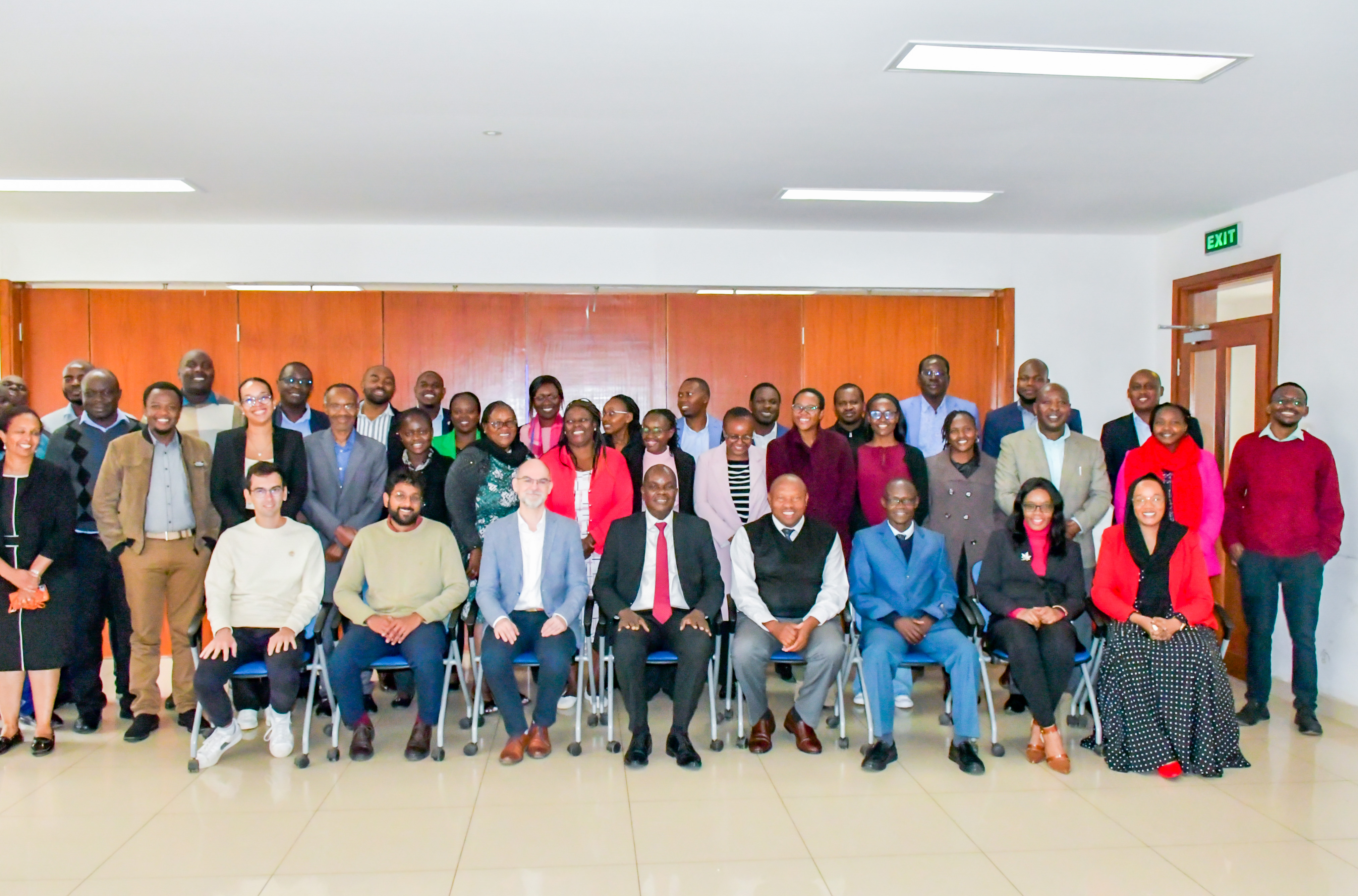
The Deputy Vice-Chancellor for Academic Affairs, Prof John Mande together with participants from University of Nairobi and Mines Paris-PSL during the opening ceremony.
The University of Nairobi, in collaboration with Mines Paris – PSL (France), convened a high-level three-day workshop focused on innovation, design theory and university–industry collaboration as part of ongoing efforts to shape the vision of the proposed Engineering & Science Complex (ESC). The workshop that ran from June 3rd to 5th, 2026, brought together researchers, faculty members, students, innovation experts and development partners from Kenya and France to collectively explore how universities can strengthen innovation capacities and contribute more effectively to socio-economic transformation.
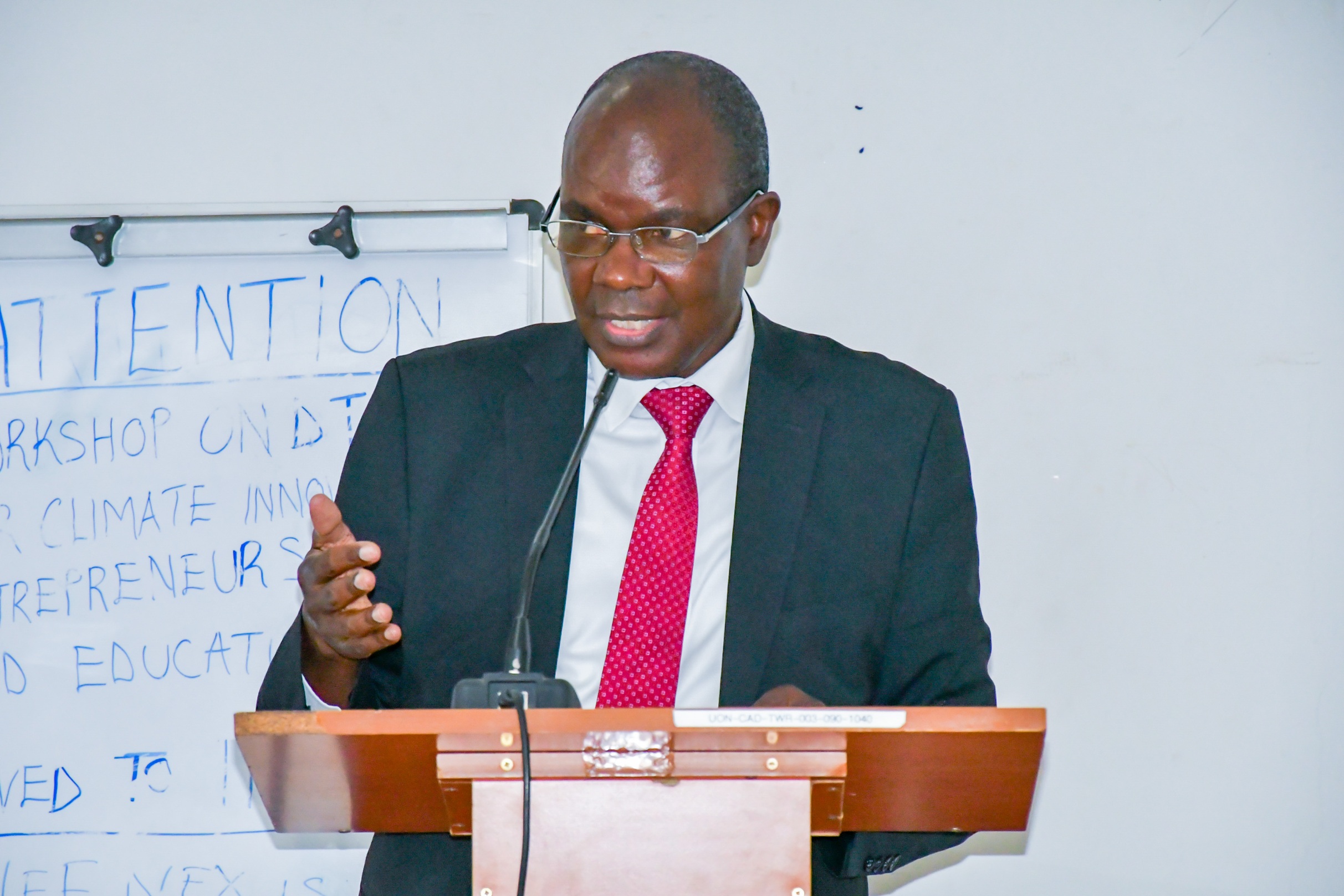
The Engineering & Science Complex is envisioned not merely as physical infrastructure, but as a transformative platform for interdisciplinary research, entrepreneurship, industrial collaboration and innovation-driven development. Officially opening the workshop, Deputy Vice-Chancellor (Academic Affairs), Prof. John Mande, emphasized the need for universities to evolve beyond traditional teaching and research roles and become active drivers of creativity, enterprise and societal impact. He noted that the ESC presents a unique opportunity for the University of Nairobi to rethink engineering, science and entrepreneurship education in response to rapidly changing global and local challenges.
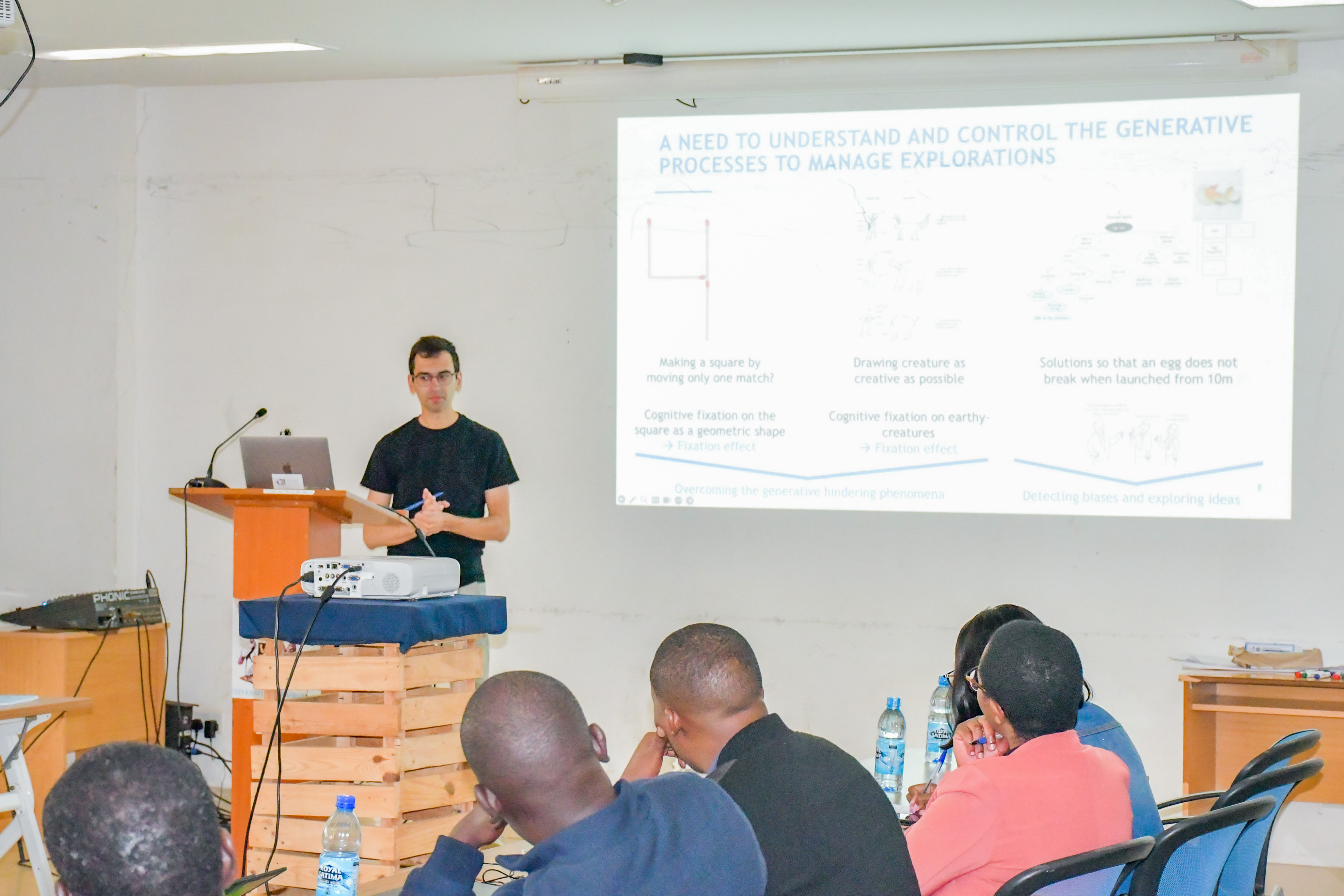
The workshop draws heavily from the internationally recognized expertise of Mines Paris–PSL in design theory and innovation management. Facilitators introduced participants to Design Theory and C-K Theory, advanced frameworks that help institutions understand how innovation emerges through structured exploration of the unknown. Discussions focused on how these approaches can strengthen creative capacities, support problem-solving and foster new models for education, research and entrepreneurship within Kenya’s innovation ecosystem.
Participants also examined critical challenges affecting innovation ecosystems, including weak university–industry linkages, limited commercialization of research, fragmented institutional structures and insufficient interdisciplinary collaboration. The discussions emphasized the importance of stronger partnerships among universities, industry, government and communities in building inclusive, healthy and sustainable innovation ecosystems.
Another major theme of the workshop is the future of higher education and the need to redesign learning environments to better prepare graduates for rapidly evolving technological and socio-economic realities. Participants explored innovative approaches such as experiential learning, collaborative problem-solving, entrepreneurship-oriented training and design thinking as tools for enhancing innovation capabilities and graduate preparedness.
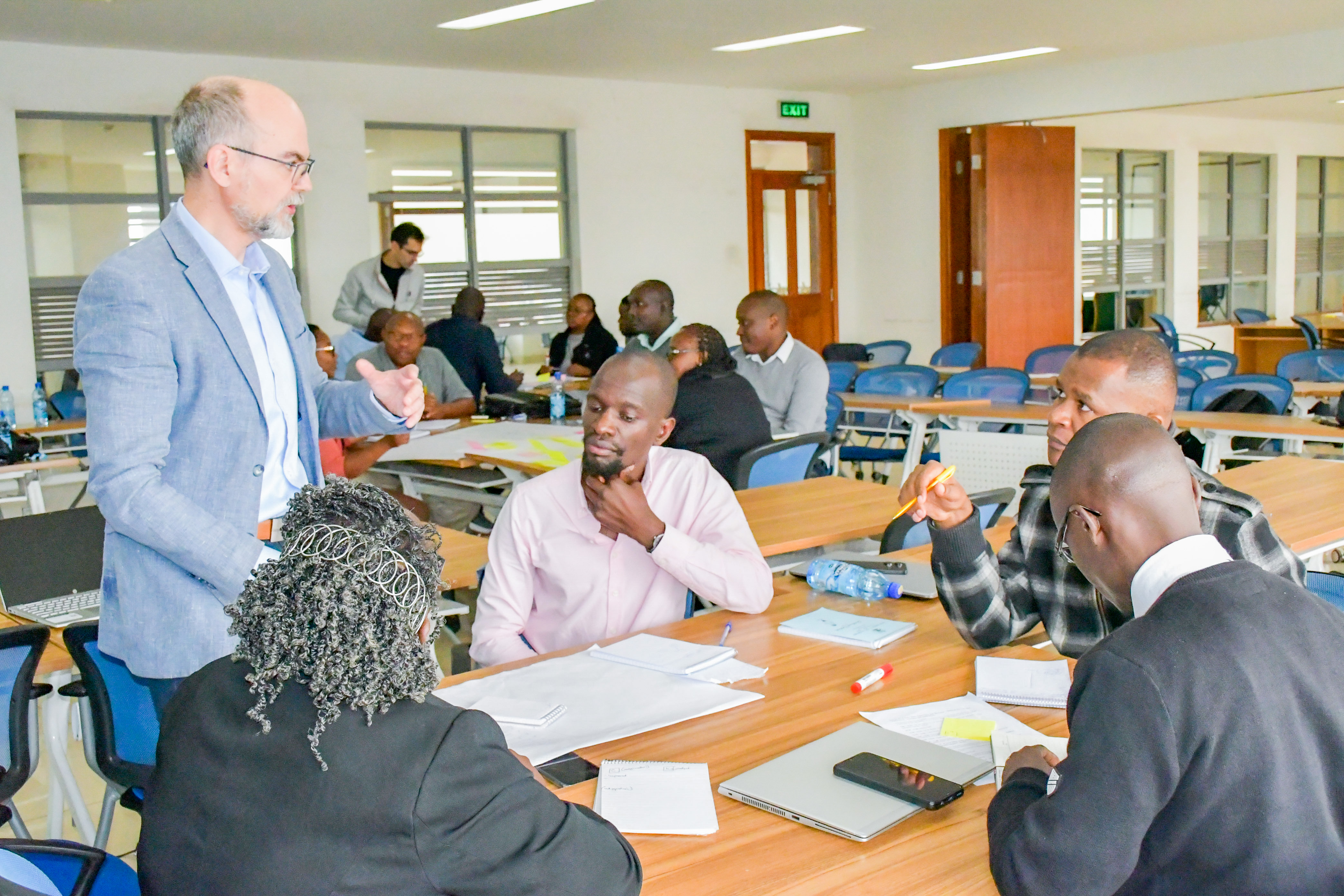
The participants also engaged in practical and strategic discussions on how design theory and innovation methods can be applied within research, industry and higher education ecosystems. Through interactive C-K Theory workshops, group explorations, and case studies from France, participants examined models for collective innovation, university–industry collaboration, and institutional governance that can strengthen the impact of the complex. Discussions further focused on how the ESC can support entrepreneurship, research commercialization, interdisciplinary collaboration and the development of creative capacities capable of addressing Kenya’s industrial and socio-economic challenges. The sessions reinforced the importance of globally informed yet locally contextualized innovation practices in positioning the ESC as a transformative hub for science, technology, and innovation in Africa.
The workshop is expected to generate strategic insights and recommendations that will inform the long-term development of the ESC as a leading African hub for science, engineering, innovation and enterprise. Through such international collaborations and knowledge-sharing platforms, the University of Nairobi continues to strengthen its commitment to research excellence, innovation-driven development and the advancement of Kenya’s and Africa’s knowledge economies.
- Log in to post comments


